Why Dinosaur Retro Patterns Are Making a Comeback in Modern Visual Culture
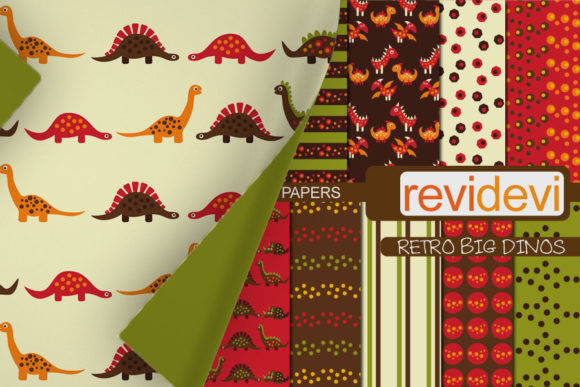
Picture a faded olive-green triceratops on a beige background, or a repeating brontosaurus silhouette rendered in dusty orange and mustard yellow. These aren't relics from a forgotten 1970s wallpaper catalog. They are part of a broader resurgence of dinosaur retro patterns appearing across branding, fashion, home décor, and digital design. The appeal goes far deeper than childhood nostalgia. Designers and consumers are gravitating toward these motifs because they blend whimsy with familiarity, and they offer a unique counterbalance to the crisp, sterile aesthetics that have dominated visual culture for the past decade.
Understanding why dinosaur retro patterns matter right now requires looking at how nostalgia functions in creative industries. Nostalgia is not simply about longing for the past. It is a powerful emotional anchor that helps people process uncertainty. The last few years have accelerated a collective desire for comfort, simplicity, and connection to earlier eras. Dinosaurs, in particular, carry a dual symbolism. They represent a sense of wonder and discovery from childhood, but they also embody resilience, longevity, and an almost mythic scale. When rendered in retro styles—think mid-century illustration techniques, muted earth tones, or screen-printing textures—they tap into multiple layers of memory and meaning simultaneously.
The Evolution of Dinosaur Retro Patterns in Design
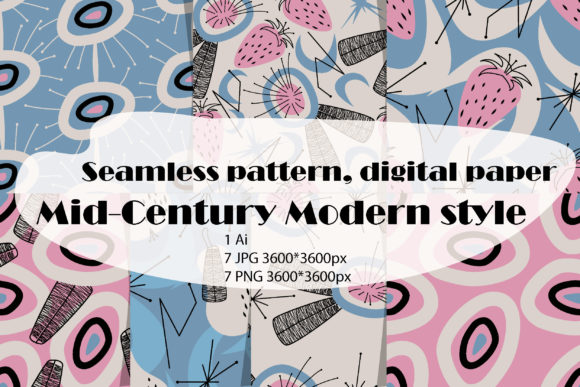
The earliest wave of dinosaur-themed commercial patterns appeared in the 1950s and 1960s, fueled by growing public fascination with paleontology and the rise of atomic-age design. Bed linens, curtains, and kitchen textiles featured playful, stylized dinosaurs that were scientifically inaccurate by modern standards but visually charming. These designs often borrowed from the same visual language as atomic patterns: bold outlines, limited color palettes, and a flat illustrative quality that made them accessible and cheerful.
By the 1980s and early 1990s, dinosaur graphics experienced another surge. This time, they appeared on lunchboxes, Trapper Keepers, and cartoon merchandise, often rendered in bright neon palettes or earthy tones derived from the southwestern design trends of the era. What ties these periods together is that dinosaur retro patterns were never meant to be serious or scientifically rigorous. They were decorative, playful, and emotionally resonant. That emotional resonance is precisely what contemporary creators are rediscovering and repurposing.
Why Creatives and Businesses Are Paying Attention
Modern visual trends are increasingly shaped by what some analysts call the "comfort design" movement. After years of minimalist, monochromatic branding, many consumers experience visual fatigue. Clean sans-serif logos and white space have functional value, but they rarely evoke warmth or personality. Dinosaur retro patterns offer something different: texture, character, and a sense of storytelling that feels handcrafted rather than algorithmically optimized.
Small businesses, in particular, have recognized the value of these patterns. A children's clothing brand might use a subtle dinosaur repeat pattern on organic cotton onesies, signaling both playfulness and an appreciation for vintage aesthetics. A specialty coffee roaster could incorporate a stylized dinosaur motif into its packaging design, creating an unexpected juxtaposition between specialty coffee culture and retro illustration. The pattern becomes a conversation piece, a visual differentiator in crowded markets where standing out is increasingly difficult.
Interior designers report growing demand for wallpaper and textiles that incorporate nostalgic motifs in sophisticated ways. A nursery decorated with dinosaur retro patterns can feel curated and design-conscious rather than purely commercial. Adults are choosing these designs for their own spaces too. A home office or creative studio adorned with retro dinosaur prints signals a refusal to take everything too seriously, a visual nod to curiosity and imagination that balances the demands of professional life.
Digital Spaces and Modern Applications
The digital world has embraced retro dinosaur aesthetics with enthusiasm. Social media templates, website backgrounds, and digital product designs increasingly incorporate these patterns as accent elements. A freelance educator selling online courses might use a muted dinosaur pattern as a header graphic, immediately warming the visual tone of otherwise straightforward educational content. Marketing professionals understand that unexpected visual elements increase engagement and recall. A dinosaur pattern, used thoughtfully, makes content memorable without overwhelming the message.
Tech accessories represent another growth area. Phone cases, laptop skins, and tablet covers featuring dinosaur retro patterns appeal to adults who want their devices to reflect personality rather than corporate uniformity. This market segment values designs that feel curated and intentional. The retro quality matters because it suggests the wearer has taste and cultural reference points beyond current micro-trends. It reads as authentic rather than chasing what is immediately popular.
Practical Considerations for Using Dinosaur Retro Patterns
For creators and business owners considering incorporating these patterns into their work, several practical factors deserve attention. Color palette selection dramatically affects how the pattern reads. Muted earth tones—terracotta, olive, mustard, tan—lean heavily into the retro aesthetic and pair well with natural materials like kraft paper, linen, and wood textures. Brighter palettes referencing 1980s design create a different energy entirely, one that feels more pop-culture oriented and energetic.
Scale matters significantly. A large-scale dinosaur pattern dominating a wall or product surface makes a bold statement, appropriate for statement pieces or focal walls. Smaller, more intricate repeats function almost as texture in textiles or packaging, revealing their whimsy only upon closer inspection. The best implementations of dinosaur retro patterns consider how the audience will encounter the design at various distances and contexts.
Combining these patterns with contemporary typography and layout creates productive tension. A retro dinosaur pattern paired with a clean, modern sans-serif logo prevents the overall design from feeling dated or costumey. The contrast between nostalgic imagery and current design conventions signals awareness and intentionality rather than a simple throwback approach.
Authenticity and Avoiding Cliché
The risk with any nostalgic design element is falling into pastiche or appearing derivative. Effective use of dinosaur retro patterns requires genuine appreciation for the source material rather than ironic detachment. Consumers can detect when a brand deploys retro imagery as a calculated marketing tactic rather than as an authentic extension of its identity. The patterns work best when they align naturally with the brand story, product category, or the creator's personal aesthetic.
Originality still matters within the retro framework. Rather than reproducing exact vintage designs, thoughtful creators adapt the visual language to contemporary contexts. A designer might reference mid-century illustration techniques while drawing dinosaurs with modern scientific accuracy. Or they might combine retro pattern structures with unexpected color combinations that feel fresh. The goal is resonance, not replication.
The Intersection with Broader Sustainability and Slow Design Movements
Interestingly, dinosaur retro patterns intersect with growing conversations around sustainability and slow design. Vintage and retro-inspired goods often carry associations with quality, longevity, and resistance to disposable trends. A child's bedroom decorated with these patterns might use heirloom-quality textiles designed to last beyond a single trend cycle. The dinosaur motif, referencing creatures that existed for millions of years, subtly reinforces themes of endurance and permanence.
Secondhand and vintage markets have seen increased interest in original mid-century dinosaur textiles and products. Collectors and design enthusiasts seek out these pieces not only for their aesthetic value but for their construction quality. This collector mentality influences new product development as well. Manufacturers creating new goods with dinosaur retro patterns increasingly emphasize material quality and production ethics, recognizing that their target audience values both visual and ethical dimensions of their purchases.
Looking Forward Without Overpromising
Design trends are inherently cyclical, and what rises in popularity will eventually recede. However, the current interest in dinosaur retro patterns appears connected to deeper cultural shifts rather than superficial trend-chasing. The desire for warmth, personality, and emotional connection in visual media is not likely to disappear quickly. Dinosaurs as a subject matter hold enduring fascination across generations, and retro design languages carry proven emotional resonance.
What seems most likely is continued evolution rather than abrupt abandonment. The patterns will adapt to new color sensibilities, new production technologies, and new cultural reference points while retaining their core appeal. Digital applications will expand as more creators discover how effectively these patterns translate to screens and interfaces. Physical products will continue finding audiences among consumers seeking alternatives to mass-market sameness.
For professionals navigating this space—whether designers, marketers, educators, or entrepreneurs—the practical takeaway is straightforward. Dinosaur retro patterns offer a versatile design resource that communicates warmth, curiosity, and cultural awareness. Used with restraint and genuine appreciation, they transcend novelty and become meaningful elements of visual identity. The dinosaurs may be ancient, but the design possibilities they inspire remain remarkably current.