A Guide to Seamless Black Geometric Patterns
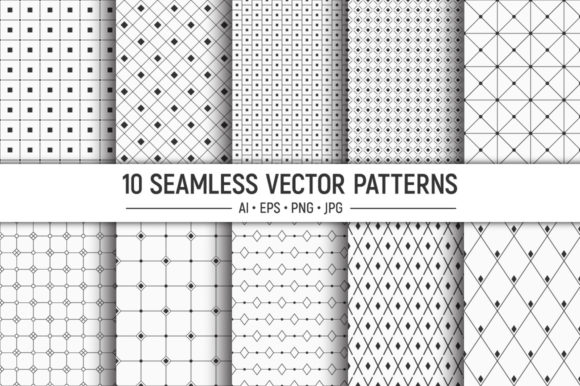
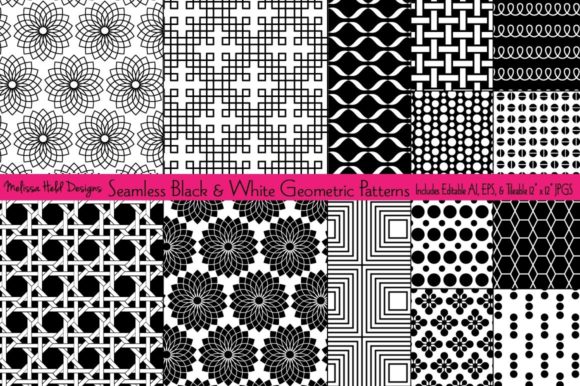
In the world of design, certain elements possess a timeless and versatile power. Among these, seamless black geometric patterns stand out as a remarkably useful tool for creators of all kinds. But what exactly are they? In simple terms, a seamless black geometric pattern is a repeating design made of shapes—like lines, triangles, hexagons, or dots—that is rendered in black and can tile infinitely without showing any edges or breaks. This "seamless" quality means you can apply it to any surface, digital or physical, and it will flow continuously, creating a cohesive backdrop or focal point.
The Purpose and Appeal of Geometric Precision
The main purpose of a seamless black geometric pattern is to provide structured visual texture. Unlike organic or floral patterns, geometry brings order, rhythm, and a modern sensibility. The use of black specifically amplifies this effect, offering maximum contrast, boldness, and a grounding neutrality. These patterns are not just decorative; they serve to organize space, direct attention, and establish a mood—often one of sophistication, clarity, or contemporary edge.
Their value lies in their incredible adaptability. A single well-crafted seamless black geometric pattern can be a multipurpose asset. Their appeal cuts across different audiences because they balance simplicity with complexity. For a beginner, they are easy to apply because the seamless tile removes technical hassle. For a professional, they offer a reliable design element that can elevate a project without overpowering it. The monochromatic nature also solves a common problem: color coordination. By using black, you introduce a strong pattern that won't clash with other colors in your palette.
Where You'll Find Them in Action
The applications for seamless black geometric patterns are vast. Let's walk through some realistic use cases.
In digital contexts, they are a staple for website backgrounds, especially for headers or sections that need visual separation without distraction. A subtle black dot grid on a portfolio site, for instance, can make text and images pop. App designers use them in UI elements to create depth or denote interactive areas. Social media creators apply these patterns as borders or frames for graphics, giving posts a consistent and polished look.
For physical and lifestyle projects, consider custom merchandise. A seamless black geometric pattern can be printed on a t-shirt, tote bag, or notebook cover, resulting in a product that feels modern and artistic. In home decor, they appear on wallpapers, tile accents, or fabric for pillows, bringing a structured elegance to a room. Educators and presenters use them in slide decks to create professional, engaging backgrounds that don't compete with the content.
Solving Problems and Supporting Goals
Why might you specifically seek out seamless black geometric patterns? Often, it's to solve a specific design challenge.
- Need for Visual Hierarchy: When a layout feels flat or unstructured, a geometric pattern can create layers and guide the viewer's eye.
- Brand Identity Development: Small business owners and entrepreneurs might use a signature geometric pattern in their branding materials—from logos to packaging—to convey precision and modernity.
- Quick Project Enhancement: Bloggers or freelancers short on time can apply a ready-made seamless pattern to instantly upgrade a banner, newsletter, or document.
- Creative Experimentation: Hobbyists and casual users enjoy manipulating these patterns in design software, changing scale and opacity, to explore different artistic outcomes without starting from scratch.
The goal is often efficiency paired with impact. A seamless black geometric pattern is a pre-built component that delivers style, saving you from the painstaking work of creating a perfectly repeating design yourself.
Important Considerations Before You Use Them
While these patterns are incredibly useful, a few practical observations can help you apply them more effectively.
First, consider scale. A dense, intricate pattern might become visually noisy when used across a large area, while a large-scale geometric motif could lose its subtlety on a small phone screen. Test your pattern at different sizes. Second, think about context. The boldness of black geometry can be authoritative; ensure it matches the tone of your project. A financial report might benefit from a clean linear pattern, while a creative artist's site could handle a more dynamic, overlapping design.
Also, pay attention to the quality of the "seamless" attribute. A poorly made pattern will show obvious seams or misaligned shapes when tiled, breaking the visual flow. Always preview it across a repeated area. Lastly, remember that even in black, geometric patterns have texture. Combine them with ample white space or solid areas to prevent overwhelming your core content. The pattern should support, not dominate.
Integrating Geometry into Your Workflow
For those ready to incorporate seamless black geometric patterns, start by identifying the role it will play. Is it a background, a border, or a textural overlay? Many design platforms and marketplaces offer libraries of these patterns. As a beginner, you can download one and import it into tools like Canva, Adobe Express, or even PowerPoint. Use the cropping and tiling functions to cover your desired space.
For more advanced control, software like Photoshop or Illustrator allows you to manipulate the pattern's components, perhaps isolating one shape from the repeat to use as a standalone icon. This extends the utility of a single asset. Professionals might commission or create a custom seamless black geometric pattern to ensure unique brand alignment. The investment here is in owning a distinctive visual asset that can be applied consistently across all mediums.
The journey with these patterns is one of exploration. Their inherent structure provides a safe starting point, while their versatility invites creativity. Whether you're designing a logo, decorating a living space, or building a website, seamless black geometric patterns offer a foundation of modern style that is both powerful and remarkably easy to use. By understanding their characteristics and considering their application thoughtfully, you unlock a design resource that can serve a multitude of projects with elegance and ease.