What Are Floral Vector Patterns? Flower Pattern Essentials
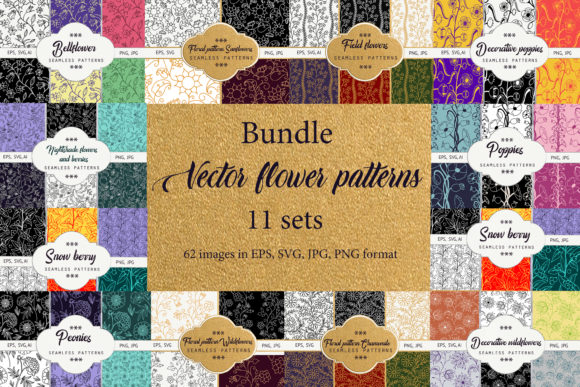
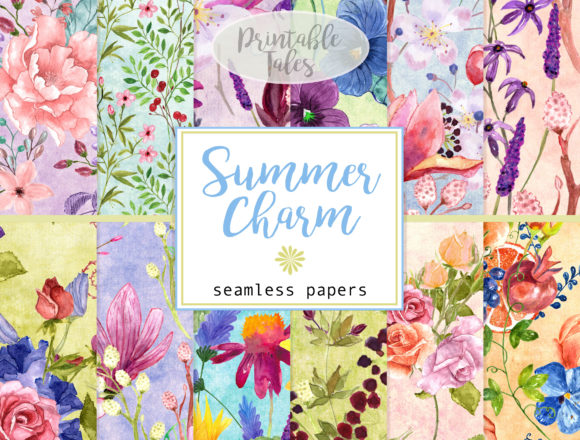
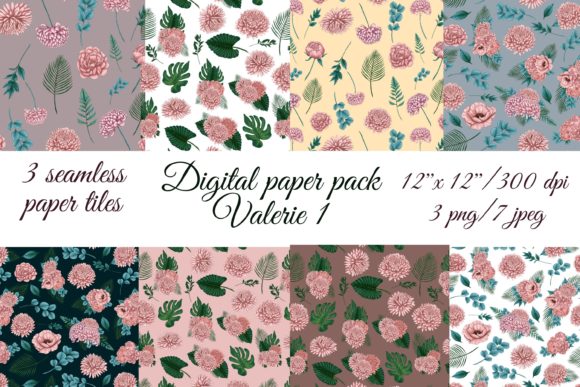
Few design elements carry the same timeless appeal as a well-crafted bloom. A floral vector patterns flower pattern brings that appeal into a flexible, scalable format that works across screens, paper, fabric, and countless other surfaces. Instead of a single static image, you get artwork built with mathematical curves and lines—so it stays perfectly crisp from a tiny button to a billboard. For many creative people, this changes how they approach a project, whether it’s a wedding invitation, a fabric collection, or a classroom resource.
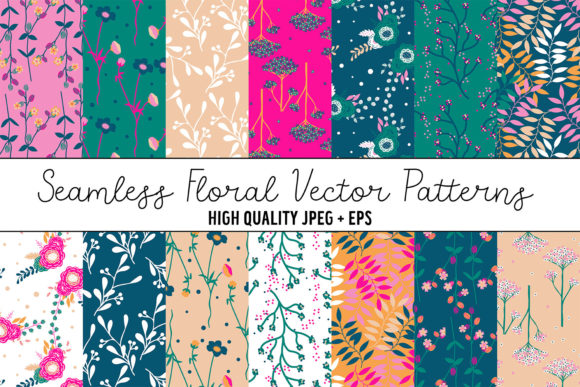
The term itself can sound technical, but at its heart a floral vector pattern is simply a flower-themed design that repeats seamlessly and can be edited without ever losing quality. The “vector” part means you can recolor a rose motif in seconds, resize a daisy cluster without pixelation, and even pull apart the elements to build something entirely new. That mix of beauty and utility is why you’ll find these patterns in so many different hands—illustrators, small business owners, event planners, and hobbyists alike.
What Makes a Floral Vector Pattern Different From a Regular Flower Image
To understand why people choose floral vector patterns over a JPEG or a hand-drawn sketch, it helps to look at what the vector format actually gives you. A regular flower picture is made of pixels. Enlarge it too much and you see blurry edges. A vector pattern, saved in formats like SVG, EPS, or AI, stores the artwork as paths and anchor points. That means the design is resolution-independent. You can print a dahlia motif on a business card or stretch it across a wall decal with identical sharpness.
There’s more: most vector patterns are built as “seamless tiles,” so when placed side by side they form an uninterrupted surface. This is a game changer for anyone who creates fabrics, wrapping paper, website headers, or phone cases. You’re not locked into a single composition. You can change the background color, remove a leaf, or combine two different flower patterns into a brand new third design—all without redrawing anything by hand.
This practical difference matters differently depending on how you work. A beginner might love that they can recolor a free floral SVG in a few clicks and get professional-looking results. A professional textile designer might value the layers and grouping in an EPS file because it lets them quickly separate linework for screen printing. Both are tapping into the same core advantage: the pattern is a building block, not a finished snapshot.
Who Actually Uses Floral Vector Patterns and Why
The audience for floral vector patterns flower pattern collections is wider than many assume. Let’s explore a few perspectives—you may see your own needs reflected in more than one.
For the Blogger, Marketer, and Social Media Creator
If you run a lifestyle blog, a wellness brand, or an online shop, visuals must hold attention fast. A gentle watercolor wildflower pattern can soften a quote graphic, while a bold tropical flower tile can add energy to a Pinterest pin. Here, speed and consistency matter most. A vector pattern lets you keep a cohesive look across posts, email headers, and lead magnets—just reuse the same file, scaled and recolored to fit. You aren’t hunting for stock photos that “kind of” match. You have a reliable visual anchor that strengthens brand recognition over time.
For instance, a food blogger might use a delicate cherry blossom pattern as a sidebar background during spring, then switch the hue and scale it for a newsletter banner. The ability to tweak rather than replace keeps the brand feeling fresh without losing its identity.
For the Small Business Owner and Product Designer
When physical products carry your artwork, print quality is non-negotiable. A pixelated flower ruins a tote bag or a notebook cover. Small business owners—especially those using print-on-demand platforms—rely on vector formats because they meet the 300 DPI requirement without bulky file sizes. A single floral vector patterns flower pattern file can become a repeating pattern on leggings, a centered graphic on a mug, or a subtle texture on a phone case.
Licensing also becomes a practical concern. A craft business owner selling baby blankets needs a pattern that allows commercial use and garment production. A wedding stationer designing bespoke invitation suites may need a license that permits altering the original artwork and selling the finished design to clients. Different file sources have different rules, so understanding what “royalty-free” or “extended commercial license” really means protects your income and creative freedom.
For the Educator, Parent, and Community Volunteer
Not every use of a floral pattern is commercial. Teachers building printable classroom decor, parents making a personalized birthday banner, or a volunteer organizing a charity gala—these people often want cheerful, high-quality artwork that doesn’t require a steep learning curve. A simple SVG file can be dropped into a free design tool like Canva or Inkscape to make name tags, table numbers, or activity sheets. The priority here is usually low cost (or free) and easy availability, but also adaptability: can the flower colors match the school logo? Can the pattern tile seamlessly on a large banner without obvious seams?
A volunteer creating a spring fling flyer might start with a basic daisy pattern, enlarge it to fit an A3 poster, and type over it with semi-transparent shapes. That kind of flexibility and immediate “nice” result is what keeps casual users coming back to vector florals instead of searching through clip art.
For the Hobbyist, Maker, and DIY Enthusiast
Knitters, quilters, scrapbookers, and home decor lovers often treat floral vector patterns as a starting point for their own creations. They might import a peony pattern into a cutting machine to make heat-transfer vinyl for a pillowcase, or use it as a tracing guide for an embroidery project. For this group, the file format matters less than the aesthetic and how easy it is to isolate individual motifs. A pattern with well-named layers and ungrouped elements saves hours of frustrating tracing.
Hobbyists also tend to experiment across mediums, so they appreciate a pattern that doesn’t lock them into one scale or palette. A single bright tulip tile might end up as a decal on a laptop, a stencil for a garden sign, and a digital background for a family photo book—all from one purchase or download.
How to Evaluate a Floral Vector Pattern Before You Commit
Whether you pay for a premium pack or grab a free download, a little inspection upfront prevents headaches later. Different goals require different checks.
- File types included. An AI or EPS file is great if you use Adobe Illustrator. If you depend on free software, look for SVG or sometimes PNG with transparency, though PNG won’t be fully scalable. Some marketplaces let you filter by format.
- Editable layers. A file that is fully flattened offers little room to recolor or rearrange. Look for patterns where flowers, leaves, and backgrounds sit on separate layers. This is especially valuable for beginners who want to change colors without fiddling with complex selection tools.
- Seamless tiling. If you plan to use the pattern as a repeat, open a preview and tile it manually or check the listing for a swatch that shows how it connects. Misaligned seams become obvious the moment you fill a text box or a long banner.
- License terms. Can you sell products with this design? Is an extended license needed for more than 500 physical items? Read the fine print. A “free for personal use” pattern is perfect for a classroom bulletin board but can’t legally go on a t-shirt for your Etsy shop.
- Color space and variation. A pattern provided only in RGB might print duller on paper. Some premium packs include both RGB and CMYK versions, or offer multiple colorways. That can save you hours of recoloring if you’re working on a matched stationery set.
Matching Floral Patterns to Your Specific Project Goal
Because the same floral vector patterns flower pattern might overdeliver in one scenario and fall flat in another, it helps to think about what “success” actually means for your project.
For a wedding invitation designer: the pattern needs to feel refined, perhaps hand-drawn, with soft, sophisticated colors. Scale becomes important: a large single bloom that sits behind text without overwhelming it might work better than a tiny busy repeat. The ability to easily change the stem and leaf color to match the wedding palette is non-negotiable. A layered AI file with well-organized groups will support endless client refinements.
For a surface pattern designer selling on a fabric platform: the motif must repeat flawlessly across bolts of fabric. Unique, trend-aware florals stand out in a crowded marketplace. The designer may actually seek out commercial-use floral vector assets to remix and incorporate into larger collections, saving time on drawing every petal from scratch. Here, the pattern’s original style—watercolor, vintage illustration, boho line art—directly affects marketability.
For a small coffee shop owner creating a tote bag for loyal customers: whimsy and approachability might matter most. A sunny sunflower pattern on a cream background can feel warm and local. The owner probably doesn’t have design software to heavily edit a file, so they value a pattern that looks great straight “out of the box.” A high-resolution PDF or a ready-to-tile PNG with a generous commercial license fits their speed-first, quality-sensitive needs.
For a teacher preparing digital math centers: a subtle floral border or a tiny bloom icon on a worksheet button adds a cheerful touch without distracting students. The pattern should be light, possibly with a transparent background, and work across slides, Google Docs, and printed A4 sheets. Ease of insertion is key—drag-and-drop SVG into a browser-based tool often works best.
The Creative and Practical Side of Working With Vector Florals
Even with the perfect file, great results come from small technique choices. If you’re new to vectors, start with a simple recolor. Open the file in a free program like Gravit Designer or a paid one like Affinity Designer, select the flower groups, and adjust the hue slider. A dusty rose print can instantly become periwinkle blue. Save a copy, and you have two variations ready for different seasons or products.
When combining patterns, watch the visual weight. A dense, dark botanical repeat can feel heavy as a website background, but layered under a clean white text box, it becomes an elegant accent. Reducing opacity to 10–15% lets the pattern whisper rather than shout—perfect for corporate reports or understated packaging.
For those who create physical items, always run a test print. A pattern that looks airy on screen may print darker or with unexpected color shifts. Print a small swatch on the intended material before ordering 50 yards of fabric or 200 invitations.
Free vs. Premium Floral Vector Patterns: What You’re Really Choosing
Free resources are wonderful for learning, prototyping, and personal projects. Sites that offer free flower SVGs often deliver simple, clean artwork that can brighten a lookbook or a party decoration. The trade-off is usually limited variety, fewer color options, and sometimes ambiguous licensing. If you eventually plan to sell products, you may outgrow free assets quickly.
Premium floral vector patterns flower pattern collections often include dozens of coordinated designs, multiple file formats, and commercial-friendly licenses with clear terms. You also tend to get better organization (labeled layers, separate elements) and customer support. For a freelancer whose time is billable, spending $15 to avoid three hours of recoloring or unscrambling flattened artwork is a smart business decision. For a weekend crafter, that same $15 might feel steep, but if it inspires a beautiful quilt or a set of holiday cards, it still holds personal value.
The key is to be honest about your long-term intentions. If you’re testing a product idea, start with a free pattern as a mockup placeholder, then invest in a premium asset once you confirm the concept. That way you match your budget to your true workflow needs without slowing your creativity.
Ultimately, a floral vector pattern is more than a pretty picture. It’s a tool that shifts in value depending on your skill, your project’s demands, and your passion. Pay attention to how you actually work—how much flexibility you need, how often you’ll reuse the same motif, and what “professional” means for your audience. From there, you can choose a pattern that doesn’t just decorate, but actively supports what you’re building.