Evaluating Oktoberfest Beer Digital Papers Patterns for Creative Projects
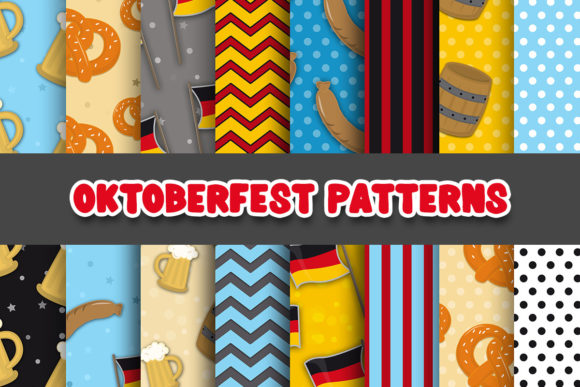
Digital paper packs have become a staple resource for crafters, designers, and small business owners who want to add thematic flair to their work without starting from scratch. Among the seasonal offerings available, Oktoberfest Beer Digital Papers Patterns represent a niche but increasingly popular category. These digital designs typically feature imagery associated with Bavarian beer culture, including steins, pretzels, hops, barley motifs, blue and white diamond checks, lederhosen-inspired textures, and rich autumn color palettes. Before purchasing or downloading a set, it helps to understand what these patterns actually deliver, where they excel, and where they might fall short of expectations.
What Exactly Are Oktoberfest Beer Digital Papers Patterns
At their core, these are downloadable graphic files—usually in JPEG or PNG format—designed to serve as backgrounds, scrapbook papers, or printable surfaces. Most packs contain between 10 and 24 individual sheets, each measuring 12 by 12 inches at 300 DPI, which is the standard for high-quality printing. The patterns range from photorealistic beer foam and amber liquid swirls to stylized folk art borders and repeating stein silhouettes. Some collections lean heavily into vintage beer label aesthetics, while others adopt a cleaner, more modern flat-design approach.
The term "digital papers" distinguishes these from physical paper packs sold in craft stores. Once downloaded, users can print them at home, send them to a professional printer, or use them in digital-only projects like social media graphics, website backgrounds, or digital invitations. The patterns are typically offered under a standard commercial-use license for small businesses, though terms vary by creator, so reviewing the specific license before purchasing is essential.
Why Creatives Seek Out This Specific Theme
Oktoberfest occupies a unique cultural position. It is simultaneously a seasonal event, a design aesthetic, and a shorthand for conviviality and tradition. People planning events, creating promotional materials for bars or restaurants, or crafting personalized gifts often discover that generic "fall" or "beer" designs miss the mark. They need the distinct Bavarian blue-and-white motif, the recognizable shape of a Maßkrug, or the typography associated with German beer festivals.
Another driver is the gap in mainstream craft store inventories. While major retailers stock plenty of autumn and Halloween papers, Oktoberfest-specific designs rarely appear on physical shelves. Digital marketplaces fill this gap, offering patterns created by independent designers who understand both the cultural iconography and the technical requirements of printable formats. For someone organizing a themed party, running a brewery's social media account, or creating handmade products for a seasonal market, these digital papers solve a very specific sourcing problem.
Benefits That Go Beyond the Obvious
The immediate advantage is convenience. Rather than spending hours attempting to design cohesive patterns from scratch, a user obtains an instantly coordinated set. This matters when deadlines are tight, which they often are for event-related projects. A well-crafted pack ensures that backgrounds, invitation liners, menu cards, and signage share a consistent visual language without extensive design work.
Compared to physical patterned paper, digital downloads offer reusability. A physical sheet gets used once. A digital file can be printed multiple times, resized, or recolored in editing software. For small-batch production—think handmade greeting cards or party favor tags—this flexibility translates into meaningful cost savings over time. The files also take up no physical storage space, an underappreciated benefit for crafters with limited room.
There is also a creative versatility that extends beyond paper crafts. Users incorporate these patterns into sublimation printing for mugs and apparel, design custom beer bottle labels, or create backdrops for product photography. The same stein pattern that lines an envelope for an invitation can appear on a t-shirt transfer or a web banner, creating a unified visual identity across mediums.
Tradeoffs and Realistic Expectations
Digital papers are not without limitations, and understanding them upfront prevents disappointment. The first consideration is print quality dependence. A pattern that looks vibrant and crisp on a monitor may appear dull or slightly blurred on paper if the home printer lacks proper calibration or if standard copy paper is used instead of a coated or cardstock option. Achieving professional results often requires a decent inkjet printer and quality paper, which adds to the initial investment.
Color accuracy presents another variable. Monitors display color in RGB, while printers use CMYK. The rich amber tones and deep blues common in Oktoberfest designs are particularly susceptible to shifts during this conversion. Some designers embed ICC profiles in their files to mitigate this, but not all do. Users accustomed to the predictability of physical paper may need to run test prints and adjust settings to get satisfactory output.
There is also the matter of originality. Popular Oktoberfest pattern packs, especially those sold on large marketplaces with low barriers to entry, may appear across multiple stores or products. If standing out matters—for a product-based business, for instance—simply using an off-the-shelf pattern without modification could result in a look that feels generic or recognizable to customers familiar with the same design sources.
When Oktoberfest Beer Digital Papers Are a Strong Fit
These patterns shine brightest in projects with a clearly defined thematic scope and a short-to-medium timeline. Event planners coordinating an Oktoberfest celebration, whether for a community fundraiser or a private party, benefit from the immediate availability of coordinated designs. The files can be used across printed invitations, table number cards, menu boards, photo booth backdrops, and thank-you notes without hiring a custom illustrator.
Small business owners in the craft and gift sector often find strong alignment here. Sellers creating seasonal product lines—handmade cards, treat boxes, beer-themed party decor—can use these patterns to quickly develop a cohesive collection. The typical commercial license permits use on physical or digital items for resale, though digital redistribution of the original files is almost always prohibited. Reading the license carefully confirms what is allowed.
Breweries, pubs, and beer-focused content creators also represent a natural audience. Social media posts promoting seasonal beer releases, event flyers, and email newsletter headers all benefit from thematic consistency. A set of digital patterns provides raw material that can be cropped, overlaid with text, and adapted across platforms, maintaining visual coherence while reducing the design workload.
When Alternatives Deserve a Closer Look
If a project demands full originality or a truly one-of-a-kind visual identity, pre-made digital patterns may feel limiting. Commissioning a custom illustrator or working with a designer who specializes in brand identity yields results tailored exclusively to the project. This route costs significantly more and takes longer, but for a brewery's permanent branding or a large-scale festival with its own visual assets, the investment may be justified.
For those who enjoy the design process and have the software skills, creating patterns from scratch or assembling them from stock elements offers maximum control. Platforms like Adobe Illustrator or Affinity Designer allow for pattern creation, and stock photo libraries provide isolated beer steins, hop illustrations, and Bavarian motifs that can be combined into original compositions. This approach takes more time but eliminates concerns about overused patterns appearing elsewhere.
Physical scrapbook paper remains a viable alternative for crafters who prefer tangible materials and who only need a small quantity. The tactile quality of textured cardstock, foil accents, or embossed designs is something digital prints cannot fully replicate. For a single scrapbook layout or a few handmade cards, picking up a few sheets from a specialty store may be simpler and more satisfying than downloading, printing, and color-correcting digital files.
Key Factors to Assess Before Choosing a Pack
Not all Oktoberfest digital paper collections are created equal, and a few evaluation criteria help separate the well-executed from the mediocre. Start with resolution and dimensions. Legitimate packs designed for printing specify 300 DPI and 12x12-inch dimensions. Anything lower risks pixelation when printed at full size. Preview images on a seller's listing can sometimes reveal artifacts or excessive compression, though watermarked previews make this harder to judge.
Examine the pattern diversity within the pack. A set that includes 20 papers but features only minor color variations of the same three designs offers less practical value than a smaller pack with genuinely distinct patterns. Look for variety in scale—some patterns work best as full backgrounds, while smaller-scale repeats suit accents like envelope liners or narrow banners.
Licensing terms deserve careful attention. A personal-use-only license limits use to non-commercial projects. A standard commercial license typically covers physical product creation with a cap on the number of units sold. Extended licenses remove those caps. For business use, confirming that the license aligns with the intended purpose—whether printed merchandise, digital products, or promotional materials—is non-negotiable.
Finally, consider the file format. JPEGs work well for backgrounds and prints but lack transparency. PNG files with transparent backgrounds enable more creative layering, especially in digital projects. Some packs include both formats, while others offer JPEGs alone. Understanding how the files will be used clarifies which format matters most.
Integrating Patterns Into a Broader Creative Workflow
Once a suitable pack is chosen, the patterns become building blocks rather than finished products. Layering text, adding borders, adjusting opacity, and blending multiple patterns together can transform a straightforward digital paper into something that feels customized. Many users overlook the potential of recolorizing patterns—turning a bright blue-and-white diamond motif into muted burgundy tones, for example, can shift a design from overtly Oktoberfest to subtly autumnal while preserving the folk-art character.
For print projects, experimenting with paper finishes alters the final result noticeably. A matte cardstock delivers a soft, traditional look, while a satin or semi-gloss finish intensifies color saturation. Some patterns benefit from being printed at reduced opacity as subtle background textures rather than dominant visual elements, a technique particularly useful for menus or programs where readability matters.
Making the Final Call
Choosing whether to invest in Oktoberfest Beer Digital Papers Patterns ultimately comes down to three questions. Does the project have a genuine thematic need that generic fall or beer designs do not address? Is there a realistic budget and timeline that favors pre-made assets over custom design? And do the available packs meet the technical and licensing standards required for the intended use? When the answer to all three is yes, these digital resources can save meaningful time and deliver cohesive results. When one or more answers lean toward no, exploring alternatives—custom design, self-created patterns, or physical specialty paper—becomes the more sensible path. The goal is not to chase a particular format but to align the tools with the project's actual demands, and that alignment is what separates a satisfying creative outcome from a frustrating mismatch.