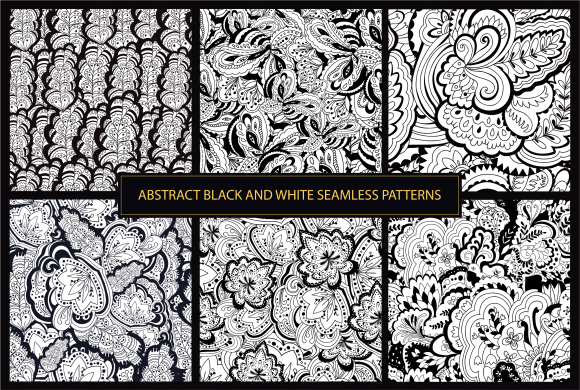
Black-White Aztec Ethnic Patterns: A Modern Design Language
Walk through a contemporary home, scroll through a curated digital portfolio, or step into a boutique coffee shop, and you will confront a striking visual paradox. Ancient geometric motifs, stripped of the vibrant greens, terracottas, and sun-baked yellows we typically associate with Mesoamerican art, exist entirely in high-contrast monochrome. Black-white Aztec ethnic patterns are not just a fleeting decorative fad. They represent a profound intersection of heritage, psychological clarity, and functional aesthetics that is reshaping how we think about global design in a post-trend world.
The appeal feels almost neurological. The human brain craves order within complexity, and Aztec patterns deliver precisely that. Stepped frets, diamond chains, radiating suns, and interlocking zigzags—these shapes were never merely ornamental. They were hieroglyphs of cosmic balance, agricultural cycles, and spiritual warfare. Stripping them of color amplifies their structural intelligence. What emerges is a design language that speaks equally to a software developer seeking a minimalist wallpaper, a fashion entrepreneur building a gender-neutral streetwear line, and an interior architect sculpting a sanctuary of textured calm.
Decoding the Visual DNA of Aztec Patterns
Before exploring their modern reincarnation, it is essential to understand what makes a pattern authentically “Aztec” rather than a generic geometric imitation. True Aztec design draws from a lexicon carved into the Sun Stone, woven into tilmatli cloaks, and painted onto codices. You will recognize repeating blocks known as xicalcoliuhqui (the stepped fret), which symbolized the cyclical nature of time and the spiral of life. There are also triangular merlons, concentric circles that map celestial bodies, and the sharp, lightning-like serrations that represented the feathered serpent Quetzalcoatl.
When these elements migrate into a black-white Aztec ethnic pattern, something transformative occurs. The viewer is no longer distracted by the cultural specificity of pigment. Instead, the mathematical rhythm takes center stage. You start to see the universal modularity—patterns that could almost be described as ancient algorithms. This shift from ethnographic artifact to abstract composition is precisely why the monochrome version resonates so powerfully with designers who value precision. It feels simultaneously ancient and hypermodern, a pre-Columbian fractal developed centuries before digital synthesis.
Why Black and White? The Monochrome Advantage
Color is identity, but it is also noise. By working exclusively in black and white, creators unlock a versatility that saturated palettes cannot offer. A rug in vivid turquoise and orange Aztec stripes dictates a room’s entire color scheme. A black rug with white Aztec stepped frets becomes a neutral anchor. It collaborates with the muted greens of a fiddle-leaf fig, the warm walnut of mid-century furniture, and the industrial gray of polished concrete in equal measure.
This absence of color is not an absence of warmth. The stark contrast amplifies texture, makes shadows sharper, and pulls the eye toward negative space. In graphic design, black-white Aztec ethnic patterns solve a critical challenge: maintaining cultural depth while adhering to strict brand guidelines that demand simplicity. A logo mark derived from a monochrome Aztec rhombus feels iconic, not kitschy. It carries gravitas without needing explanation. For digital products, these patterns provide an organic counterbalance to the cold, vector-perfect flatness of user interfaces, injecting humanity through hand-drawn irregularities often preserved in the black-and-white translation.
From Ancient Walls to Contemporary Spaces: A Pattern’s Journey
The journey of Aztec motifs into the global mainstream is not a story of sudden discovery. It began with the excavations of the Templo Mayor in the 20th century and the subsequent documentation of its stone reliefs. However, for decades, these patterns were largely confined to history textbooks or heavily commercialized tourist souvenirs rendered in jarring, anachronistic colors. The shift toward monochrome started quietly in avant-garde textile studios and independent architecture firms about a decade ago, driven by a desire to reference cultural heritage without performing cultural caricature.
Pinterest boards and Instagram mood collections accelerated this evolution. Designers in Scandinavia, detached from the original context, began treating the zigzag and stepped motifs as a new kind of geometric abstraction. They mashed them with Bauhaus austerity, creating a hybrid that felt less like appropriation and more like a respectful, formal dialogue. Simultaneously, a rising generation of Mexican and Mexican-American artists began reclaiming these symbols in black ink, tattooed on skin or screen-printed onto stark white gallery walls, insisting that their power did not require a fiesta of color. This dual push—external formalist appreciation and internal cultural reclamation—crystallized the modern monochrome Aztec aesthetic.
The Quiet Surge in Consciousness About Cultural Motifs
We are moving through a period of heightened sensitivity around cultural symbols. The slapdash use of tribal patterns in fast fashion sparked necessary criticism. The market now demands a more considered approach. Black-white Aztec ethnic patterns offer a responsible path forward. By moving to black and white, the design naturally pivots away from “costume” and toward “archetype.” It signals that the creator is engaging with the geometry and philosophy of the pattern, not just the festive surface appeal.
This does not grant blanket immunity from critique. Responsible use still requires acknowledging the origin. For business owners, this might mean transparent sourcing—collaborating with artisans who produce hand-printed monochrome textiles using traditional block-printing methods. For marketers, it means contextualizing the pattern in campaigns that honor Mexican heritage during relevant cultural moments rather than deploying it indiscriminately on product labels. The black-and-white palette, while making integration easier, actually raises the stakes: the strong silhouette demands you take the symbol seriously. When used respectfully, it becomes a bridge for storytelling, connecting a brand’s values to endurance, craftsmanship, and cosmic perspective.
Where Creators and Professionals Are Applying These Patterns
The practical applications are remarkably diverse. Let’s move beyond the obvious throw pillow and look at how different fields are currently leveraging this design language with excellent results.
Interior Architecture and Biophilic Design
Biophilic design emphasizes connection to nature through organic shapes and indirect references to landscape. Aztec motifs often abstract the jagged silhouette of mountain ranges or the scales of reptiles. Architects now use laser-cut corten steel screens featuring blackened Aztec frets to divide open-plan lofts. The black oxide finish against white walls creates a dramatic play of light without introducing visual clutter. In hospitality, restaurants commission custom cement tiles where black geometric Aztec inlays break up vast white floors, guiding the foot subtly toward the bar while telling a story of place.
Fashion and Accessory Minimalism
In streetwear, where logos reign supreme, a monochrome all-over Aztec print functions as a disruptive identity system. A black hoodie with crisp white stepped-diamond motifs on the sleeves reads as futuristic armor. Jewelry designers are also creating pendant necklaces where the negative space of an Aztec glyph, cut from black oxidized silver, hangs against a white cotton shirt—a piece that is simultaneously a statement and a neutral. The lack of color makes these garments seasonless, extending their wearable lifecycle in a sustainability-conscious market.
Branding and Digital Experience
For tech startups wanting to signal “structured creativity” without the cliché of abstract swooshes, monochrome Aztec elements provide an edge. A fintech app might use a subtle, low-opacity repeating stepped line in the background of its onboarding screens, evoking progress and stability. Packaging for a craft coffee roaster can feature a bold white Aztec-inspired sun on a matte black bag, merging ritualistic ancient imagery with premium, modern simplicity. The pattern communicates that the brand is grounded and intentional, not chasing ephemeral color trends.
Independent Art and Stationery
Artists are producing hand-drawn zines where every page border is a unique variation of a black-and-white Aztec wave. Planners and bullet journals employ these borders to frame daily tasks, ironically suggesting that the chaos of the modern workday can be contained by patterns that once mapped the chaos of the cosmos. The tactile, imperfect ink lines provide a necessary contrast to the pixel-perfect world of smartphones.
Practical Ways to Integrate Black-White Aztec Patterns Without Cliché
The greatest risk with any potent geometric pattern is visual burnout. A room saturated in repeating Aztec diamonds can feel aggressive. The solution lies in strategic restraint and scale variation.
- The One-Statement Rule: Select a single dominant piece, such as a wall tapestry, a large area rug, or an accent wall covering. Keep surrounding furniture and textiles solid—charcoal, cream, natural linen, or matte black. Let the pattern breathe.
- Play with Opacity: In digital projects, layer a subtle Aztec pattern at 5–10% opacity on a white background. It adds subconscious texture without competing with legible content. The pattern becomes an Easter egg for attentive users rather than a shout.
- Mix Geometric Generations: Pair a sharp, small-scale black-and-white Aztec tile on a fireplace surround with large, soft, amorphous shapes elsewhere—like a blobby bouclé chair. The contrast in shape language makes the Aztec precision feel deliberate and sculptural.
- Ink Affordances: For print materials, use a black Aztec border on an uncoated off-white stock. The paper’s natural warmth softens the stark monochrome, keeping it approachable rather than sterile.
- Customize a Motif: Instead of buying a mass-produced “Aztec” stencil, work with a graphic designer to create a pattern that blends a traditional fret with your brand initials or a personal symbol. This hybrid approach avoids replication and builds genuine meaning.
The Influence of Changing Work and Life Habits
The remote work revolution subtly boosted the relevance of these patterns. When our homes became offices, we sought environments that were stimulating but not distracting, personal but not cluttered. A black-and-white Aztec patterned folder on a Zoom call background signals personality and competence without flashing garish colors that might distract or appear unprofessional. On the wall behind, a framed monochrome textile suggests a curated, worldly mind. For freelancers, whose home environment must serve as both sanctuary and creative engine, the rhythm of these repeating patterns can induce a focused mental state akin to the flow of code or prose. It is visual music—structured, endless, and steadying.
The Future Is Not a Trend, It’s a Staple
Calling black-white Aztec ethnic patterns a trend misunderstands their resilience. Trends die because they are novel but shallow. This design language has deep roots and formal versatility. As machine intelligence generates increasingly predictable, soft-cornered blobs and gradients, the human hunger for precise, handcrafted, culturally-rooted geometry will intensify. The stepped fret and the zigzag are not going away; they are returning to their rightful place as fundamental design archetypes alongside the Greek key and the herringbone.
For anyone hesitant about integrating a pattern with such specific geographic origins, consider this: design is always a conversation across time. A black-and-white Aztec motif placed mindfully is not a costume. It is an acknowledgment that the human need for symbolic order, for marking space with meaning, predates any current minimalism. By choosing monochrome, you are not draining the life from the pattern. You are revealing its bones, and those bones are exceptionally beautiful. The practical path forward is one of respect, scale contrast, and a willingness to let ancient geometry solve very modern composition problems.